
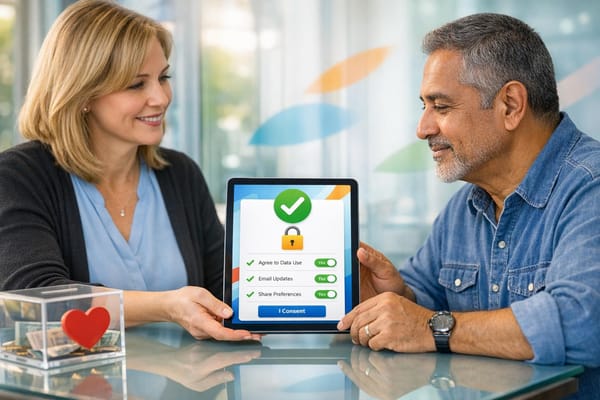
Why Data Ethics Matter in Sponsorship Programs
Ethical data use—privacy, informed consent, transparency and bias reduction—is essential in sponsorship programs to protect donors and sustain trust.

Ethical data use—privacy, informed consent, transparency and bias reduction—is essential in sponsorship programs to protect donors and sustain trust.

Sync donor payments with your CRM to reduce errors, automate reconciliation, boost retention, and maintain PCI-compliant security.

Step-by-step guidance to assess needs, build role-specific training, use HelpYouSponsor, and measure outcomes for effective child sponsorship programs.
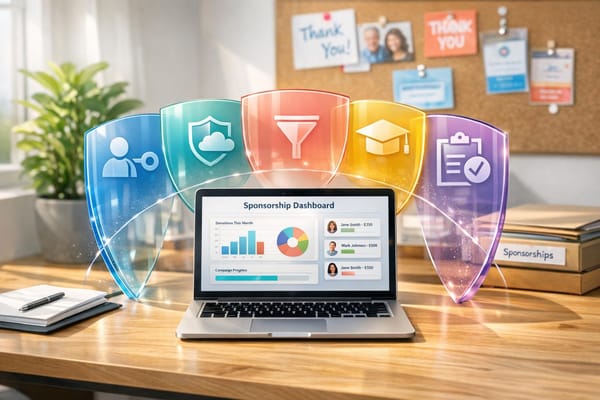
Practical security steps for nonprofit sponsorship programs: RBAC, encryption and backups, data minimization, staff training, and incident response.

Step-by-step checklist for nonprofit performance audits: set goals, gather records, test controls, analyze program results, report findings, and act.

Nonprofits pair emotional impact stories with data and visuals to secure and sustain corporate sponsorships—tactics, case studies, and tools explained.
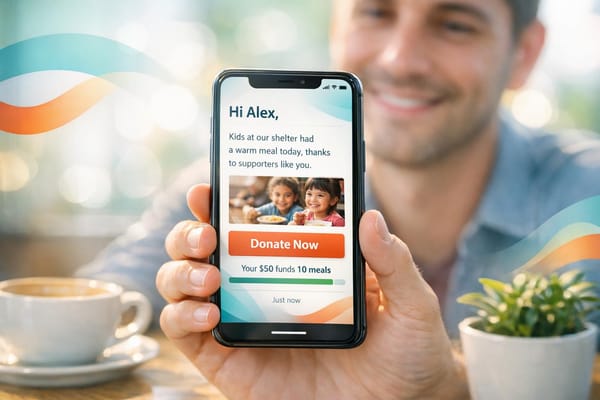
Personalization, storytelling, timing, clear CTAs and transparent impact reporting are the five essentials that make donors give—and keep giving.
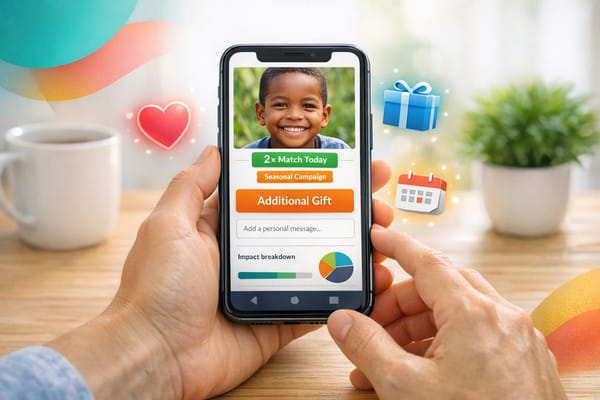
One-time additional gifts—matching programs, seasonal campaigns, and personalized appeals—boost child sponsorship impact, donor engagement, and transparency.
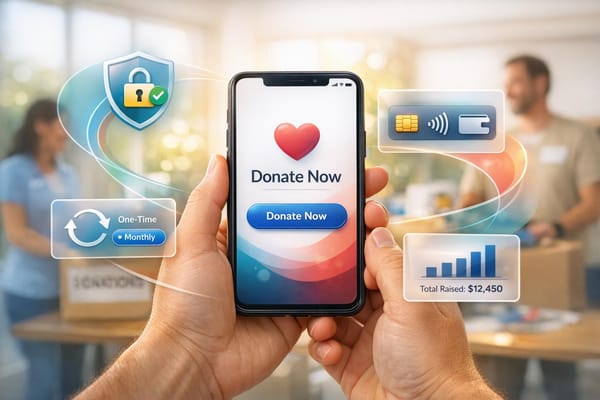
Integrate payment gateways to streamline nonprofit donations—secure transactions, enable modern payments, automate recurring gifts, and improve reporting.

Mission trips convert casual donors into committed partners by combining community-led projects, clear goals, ethical storytelling, and tech-enabled follow-up.
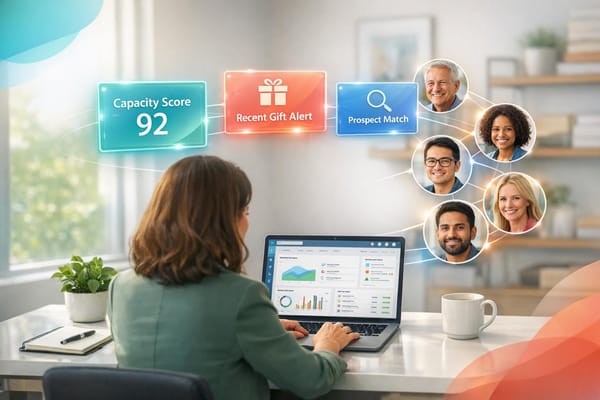
Use wealth screening and real-time donor data to find high-capacity supporters, personalize outreach, and improve fundraising efficiency via CRM integration.

Real-time data lets nonprofits act instantly—optimizing fundraising, donor engagement, and finances with live dashboards and automated workflows.